How Much Does It Cost to Build A self-service smart store?
Realistic cost to build a self-service smart store: USD 30k–320k depending on scope. Features, tech stack, timeline, team and…

Realistic cost to build an online liquor delivery app: USD 30k–320k depending on scope. Features, tech stack, timeline, team and monetisation explained.
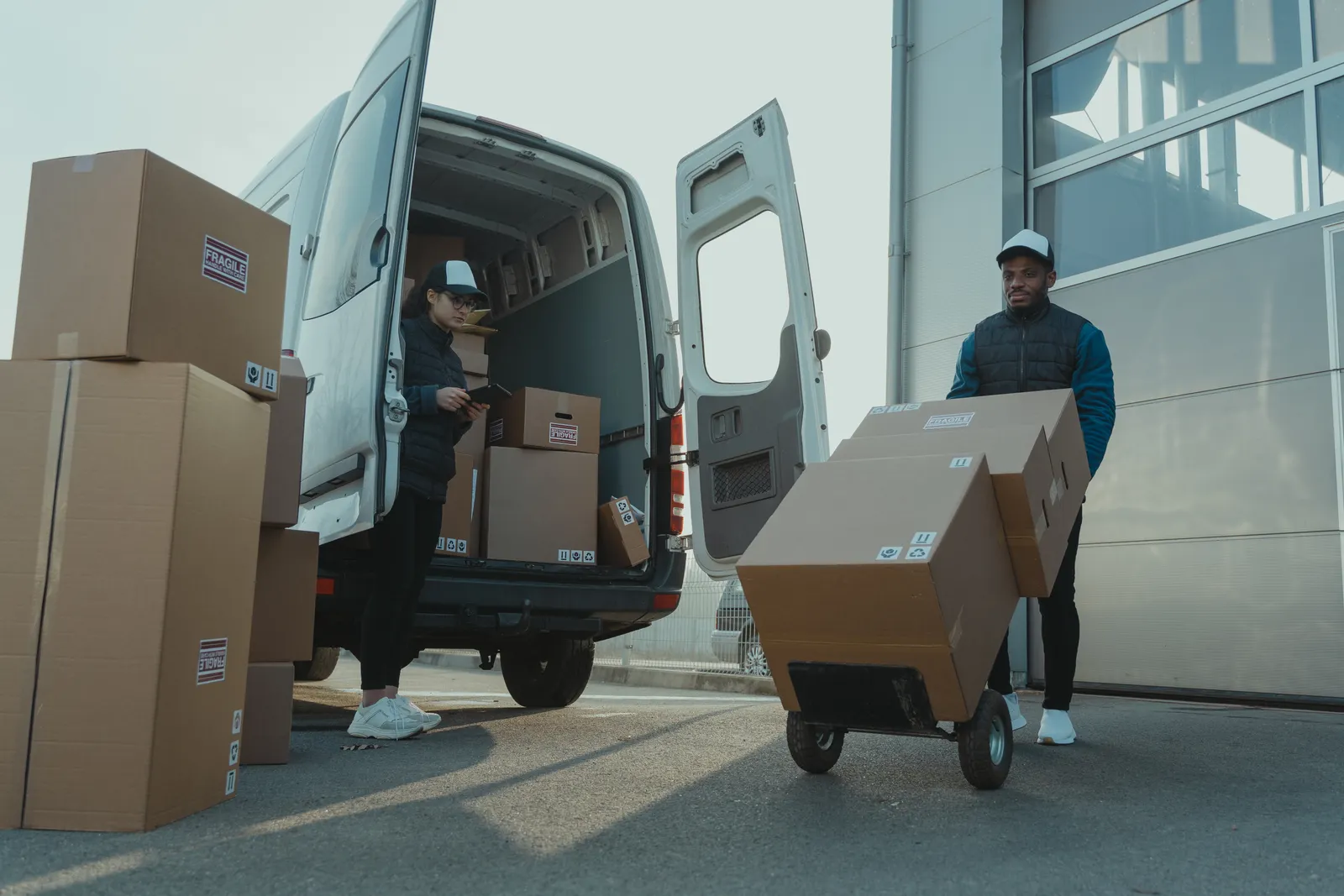
Founders ask us about the cost of building an online liquor delivery app every month. Below is the breakdown we give them: realistic ranges, what drives the price up or down, and where you can save without hurting the product.
Building an online liquor delivery app typically costs USD 30,000 to USD 120,000 for most businesses, with large-scale platforms going beyond USD 140,000. Here is how that breaks down:
| Version | What you get | Typical cost | Timeline |
|---|---|---|---|
| MVP | Core user journey on one or two platforms, basic admin | $30k – $50k | 12–16 weeks |
| Full product | All main apps, payments, notifications, analytics | $60k – $120k | 18–26 weeks |
| Advanced platform | Scale, automation, AI features, integrations | $140k – $320k+ | 30–46 weeks |
These figures assume a professional team in India working at typical market rates. The same scope built entirely in the US, UK or Australia usually costs two to three times more.
Grocery apps like the one you are planning live or die on inventory accuracy. Unlike restaurant delivery, the platform often controls the stock itself — in dark stores or partner shops — so the software must know exactly what is on which shelf, minute by minute.
Once the core works, these are the upgrades that typically move a grocery and quick commerce product from good to category-leading. Each can add anywhere from a few thousand to tens of thousands of dollars:
For a full product of around USD 90,000, a typical split looks like this:
| Phase | Share | Approximate cost |
|---|---|---|
| Discovery, UX and UI design | 12% | USD 10,800 |
| Mobile and web front ends | 33% | USD 29,700 |
| Back end, APIs and integrations | 30% | USD 27,000 |
| Quality assurance and testing | 13% | USD 11,700 |
| Project management and DevOps | 12% | USD 10,800 |
The same features cost very different amounts depending on where your team sits. Indicative market rates:
| Region | Typical hourly rate (USD) | Notes |
|---|---|---|
| India | 25 – 50 | Deep talent pool; best value for full product teams |
| Eastern Europe | 40 – 75 | Strong engineering, good EU overlap |
| UAE & Saudi Arabia | 50 – 100 | Local presence, higher overheads |
| United Kingdom | 70 – 150 | Agencies in London at the upper end |
| Australia | 80 – 160 | Senior local talent is scarce and expensive |
| United States | 90 – 180 | Silicon Valley and New York at the top of the range |
A hybrid model — product leadership close to your market and engineering in India — is how many companies get the best of both.
There is no single correct stack, but a sensible, well-supported starting point for grocery and quick commerce products is:
A typical team for the full-product version:
| Phase | Duration |
|---|---|
| Discovery and design | 2–4 weeks |
| MVP build | 12–16 weeks in total |
| Full product | 18–26 weeks in total |
| Post-launch iteration | Ongoing, in 2-week sprints |
Common monetisation models for grocery and quick commerce products:
Depending on where you launch, budget time for food safety and labelling rules, weights-and-measures compliance and, for alcohol, strict age verification and licensing. Building these in early is far cheaper than retrofitting them after launch.
Every product is different. Share a few lines about your idea through our contact page or try the app cost calculator for a quick ballpark. If you want to go deeper, see our On-Demand & Delivery App Development page.
FAQ
Most projects fall between USD 30,000 for a focused MVP and USD 120,000 for a full product. Large platforms with advanced features can exceed USD 140,000.
An MVP typically takes 12–16 weeks; a full product 18–26 weeks.
Yes. Start with a tightly scoped MVP for one user group and one city or segment, then reinvest early revenue into the next phase.
With BeyondCode, yes — all code, designs and accounts are yours.
Keep reading
Realistic cost to build a self-service smart store: USD 30k–320k depending on scope. Features, tech stack, timeline, team and…
Realistic cost to build a 10-minute grocery delivery app: USD 30k–320k depending on scope. Features, tech stack, timeline, team…
Realistic cost to build an app like Grofers: USD 30k–320k depending on scope. Features, tech stack, timeline, team and…
Tell us what you are building or fixing. You will leave the call with a clearer scope, a realistic timeline and a ballpark budget — whether or not we end up working together.